Case Pattern: Building an Industry Knowledge Hub for AI Visibility
An anonymized pattern for aggregating, validating, and publishing member data as a single machine-readable layer for AI agents.
The Shared-Hub Concept and Architecture
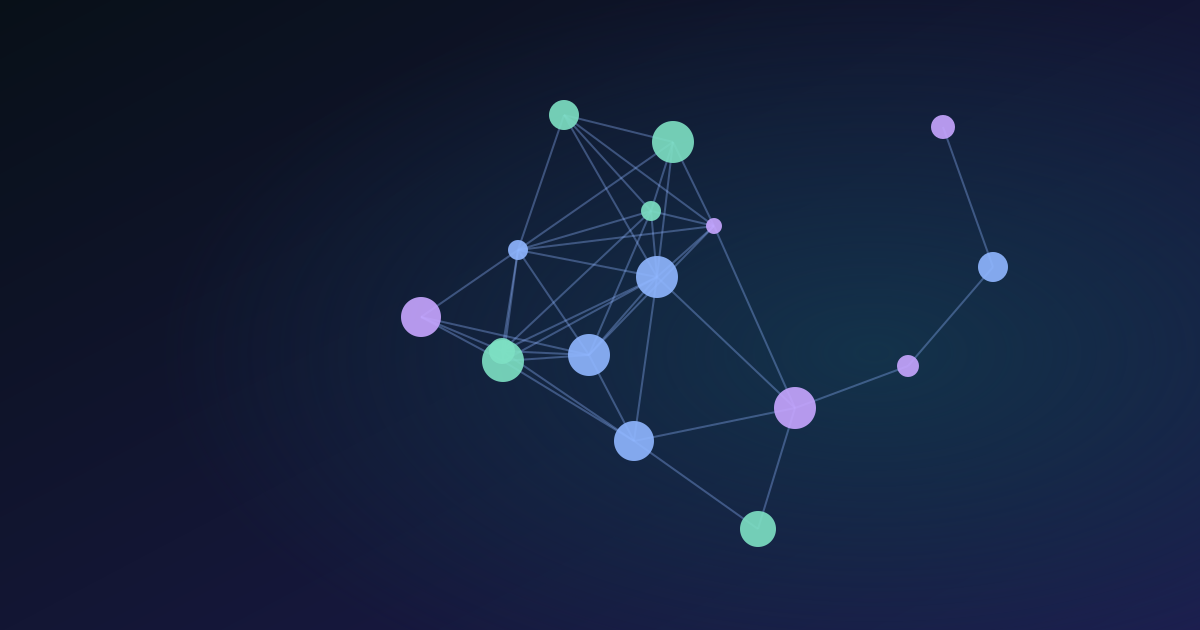
Small businesses often fail to rank in AI search results because they lack the domain authority and structured content required to be seen as trustworthy sources. An industry association solves this by creating a central hub on a subdomain that aggregates member profiles and industry knowledge. This structure allows the collective weight of the association to support individual members, much like a shopping mall draws traffic for every small store inside it.
The architecture relies on a parent domain with established credibility to host specific vertical hubs for different sectors. For example, a real estate hub might sit under a larger platform, hosting profiles for individual agencies alongside regional data and frequently asked questions. This setup ensures that the subdomain inherits the parent's reputation, accelerating the time it takes for AI systems to recognize the content as authoritative.
AI search engines prioritize sources that demonstrate Experience, Expertise, Authoritativeness, and Trustworthiness. A single small company rarely meets all these criteria independently. By pooling resources, the hub creates a dense network of verified facts and structured data that AI agents can easily parse. The result is a single point of reference that answers broad industry questions with high confidence.
This model shifts the focus from individual competition to collective infrastructure building. Instead of every member fighting for the same keywords, they contribute to a shared repository that benefits everyone. The hub becomes the definitive source for industry data, making it the default choice for AI agents when generating summaries or answering complex queries about the sector.
Aggregation and Validation of Member Facts
The core value of the hub lies in its ability to aggregate and validate facts from multiple members into a coherent dataset. This process involves collecting standard information such as service areas, certifications, and historical performance metrics. The association acts as the editor, ensuring that every entry meets a baseline of accuracy before publication. This validation step is critical for AI systems, which penalize unverified or conflicting information.
Structured data markup plays a vital role in making this aggregated content machine-readable. The hub uses standardized schemas to define entities, relationships, and attributes within the content. This allows AI agents to extract specific facts without needing to interpret unstructured text. The data must align perfectly with the visible content on the page to maintain trust and avoid being flagged as misleading.
Validation also extends to the consistency of the information across different parts of the hub. If a member lists a specific certification on their profile, that fact should appear consistently in industry FAQs and reference materials. This redundancy reinforces the reliability of the data. AI systems look for these patterns of consistency to determine if a source is authoritative enough to cite in its responses.
The aggregation process turns scattered individual claims into a unified body of knowledge. This collective intelligence is far more valuable to an AI agent than isolated data points. It allows the system to answer questions about the entire industry with nuance and depth. The hub effectively becomes a living database that grows more accurate and useful as more members contribute and the association refines the data.
Member Pages Within the Hub Ecosystem
Individual members occupy dedicated spaces within the hub, typically as profile pages that link back to the central industry content. These pages serve as the specific touchpoints for local queries while benefiting from the broader authority of the hub. Each profile includes structured data that identifies the business, its location, and its specific expertise within the industry framework.
The relationship between the member page and the hub is symbiotic. The hub provides the context and the traffic, while the member provides the specific details and the human element. This structure ensures that when an AI agent searches for a local provider, it finds a verified entry within a trusted ecosystem. The member does not need to build its own domain authority from scratch.
Content on member pages must be concise and focused on verifiable facts. Detailed descriptions of services, contact information, and professional credentials form the backbone of these profiles. The hub templates guide members on how to present this information clearly. This standardization helps AI agents process the data efficiently and reduces the risk of misinterpretation.
Members also gain access to industry-specific resources hosted on the hub. These include regulatory updates, market trends, and best practice guides. By consuming and referencing this content, members reinforce their connection to the hub. This interaction signals to AI systems that the member is an active participant in the industry conversation, further boosting their visibility.
Governance of Shared Facts and Quality Control
Effective governance is essential to maintain the integrity of the shared knowledge base. The association must establish clear rules for what data can be submitted and how it is verified. This includes defining the roles of editors, validators, and contributors. Without strict oversight, the hub risks becoming a collection of unverified claims that AI systems will ignore.
The governance model should prioritize accuracy over speed. Every piece of information added to the hub undergoes a review process to ensure it meets the established standards. This might involve cross-referencing with official records or requiring confirmation from the member. The goal is to create a dataset that AI agents can rely on without hesitation.
Transparency in the governance process builds trust among members and the wider public. Clear documentation of how facts are validated and updated helps users understand the reliability of the information. This transparency is also a signal to AI systems that the hub operates with high standards of accountability. It distinguishes the hub from low-quality directories or spammy content farms.
As the hub grows, the governance model must evolve to handle increased volume and complexity. Automated tools can assist with initial checks, but human oversight remains crucial for nuanced decisions. The association must invest in maintaining this quality control infrastructure. The long-term value of the hub depends on its reputation for accuracy and reliability.
Risks and Open Questions for the Model
One significant risk involves the assumption that subdomains automatically inherit the authority of their parent domains. Search engine guidelines have evolved to treat subdomains as potentially independent entities, especially if the content differs significantly from the main site. This means the hub must generate its own unique value and not rely solely on the parent domain's reputation.
Another challenge is the requirement for genuine human engagement to satisfy trust signals. AI systems increasingly look for evidence of real-world activity, such as social media presence and direct user interactions. A hub that relies entirely on automated content generation may struggle to meet these criteria. The model requires a balance between automation and authentic human contribution.
Regulatory changes in the digital space can also impact the viability of the hub model. New rules regarding content ownership and data privacy may affect how information is aggregated and displayed. Associations must stay informed about these developments and adapt their strategies accordingly. Flexibility is key to navigating the evolving landscape of AI search and digital governance.
Finally, the sustainability of the model depends on continued member participation and investment. If members lose interest or fail to see the value in the hub, the ecosystem could collapse. The association must continuously demonstrate the return on investment for its members. This requires ongoing monitoring of AI visibility metrics and clear communication of the benefits achieved.
Key takeaways
- An industry hub aggregates member facts into a single machine-readable layer to overcome individual domain authority limitations.
- Structured data and consistent validation are essential for AI systems to recognize the hub as a trustworthy source.
- The model requires a balance between automated content generation and genuine human engagement to satisfy E-E-A-T signals.
- Subdomains do not automatically inherit parent domain authority; the hub must build its own reputation through unique, high-quality content.
Related questions
How does an industry hub improve AI visibility for small businesses?
The hub aggregates member data into a single, authoritative source that AI systems can easily parse and trust. By pooling resources, small businesses benefit from the collective domain authority and structured content of the association, which they could not achieve independently.
What role does structured data play in an AI-readable knowledge hub?
Structured data provides a machine-readable format that allows AI agents to extract facts quickly and accurately. It ensures that information is consistent and verifiable, which are key criteria for AI systems when selecting sources for their responses.
Can a subdomain automatically inherit the authority of its parent domain?
Not necessarily. Search engines may treat subdomains as independent entities, especially if the content is distinct. The hub must generate its own unique value and maintain high-quality standards to build its own reputation and authority.
AI-assisted: drafted with a language model from the author's research notes, then edited and checked before publication. Author: Zoltán Varga, AI visibility researcher and AI ecosystem architect, Budapest.